Rose of Jericho
The Sacred Unfurling: The Rose of Jericho in Abrahamic Faiths
Jul
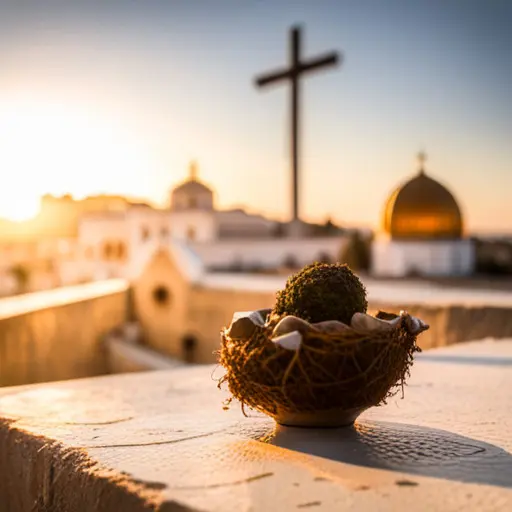
Throughout human history, certain natural phenomena have served as powerful metaphors for spiritual truths. The Anastatica hierochuntica, universally known as the Rose of Jericho, is perhaps the ultimate botanical symbol of renewal, immortality, and divine intervention. This humble desert plant, which appears completely lifeless during droughts only to open majestically in the presence of water, has earned a revered place in the traditions, rituals, and folklore of Judaism, Christianity, and Islam alike.
The Christian Tradition: The Birth and Resurrection of Christ
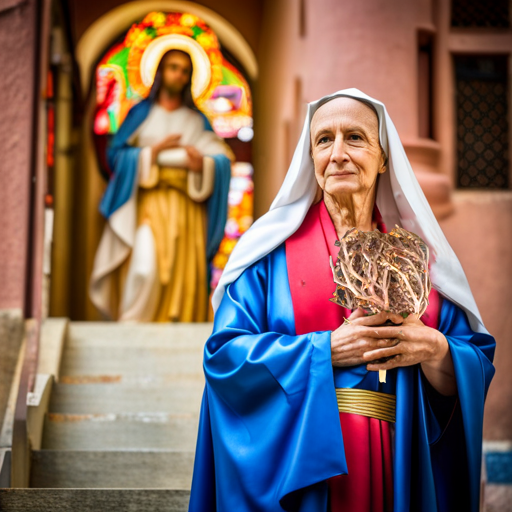
In Christian iconography and folklore, the Rose of Jericho is intimately tied to the lives of Jesus Christ and the Virgin Mary. According to pious European and Middle Eastern legends, the plant first bloomed during the flight of the Holy Family into Egypt. As Mary crossed the desert, the plant would miraculously open to greet her, earning it the alternative name “The Hand of Mary” (Kaff Maryam).
Furthermore, Christians quickly adopted the plant as a living symbol of the Resurrection. Its ability to “die” and return to life mirrored the central theological narrative of Christ’s death and rising after three days. For centuries, pilgrims returning from the Holy Land brought these plants back to Europe, where families would place the dry plant in water on Christmas or Easter morning, watching it open as a physical demonstration of spiritual rebirth and eternal life.
Islamic Lore: Kaff Maryam and Blessings for Mothers
In the Islamic world, Anastatica hierochuntica is widely known and deeply respected as Kaff Maryam (The Hand of Mary, acknowledging the mother of the prophet Isa/Jesus). It holds a particularly sacred place in traditional Islamic medicine and women’s spirituality.
The plant is frequently utilized during childbirth. When a woman goes into labor, the dry plant is placed in a bowl of water near her bed. As the plant absorbs the water and its curled branches gradually open, it is believed to spiritually symbolize and physically encourage the dilation and smooth opening of the womb. The water used to revive the plant is also sometimes drunk or used to bless the expectant mother, carrying a prayer for a safe delivery and a healthy child.
Jewish Mysticism and Desert Resilience
In Jewish tradition, the plant represents the eternal survival of the spirit and the resilience of the nation in the face of harsh exile. Growing naturally in the Judean desert, the plant’s biological cycle reflects the prophetic imagery of the desert blooming.
Kabbalistic interpretations and ancient folklore view the plant as an emblem of the divine promise of renewal—the idea that even when hope seems completely dried up and withered away, the structural foundations remain intact, waiting for the “living waters” of spiritual awakening to bring forth new life and fruitfulness. It serves as a reminder that life is never truly lost, only concealed.
Questions & Answers
-
Question: Why is the plant associated with the Virgin Mary in both Christian and Muslim traditions?
-
Answer: Both faiths revere Mary for her purity and the miraculous birth of her son. The plant’s opening symbolizes birth, labor relief, and the unfolding of divine blessings in difficult desert conditions.
-
-
Question: Is the Rose of Jericho used in modern religious practices?
-
Answer: Yes, many families across the world still place the plant in water during specific religious holidays or rites of passage to visually signify hope, prayer, and renewal.
-
Related posts: